
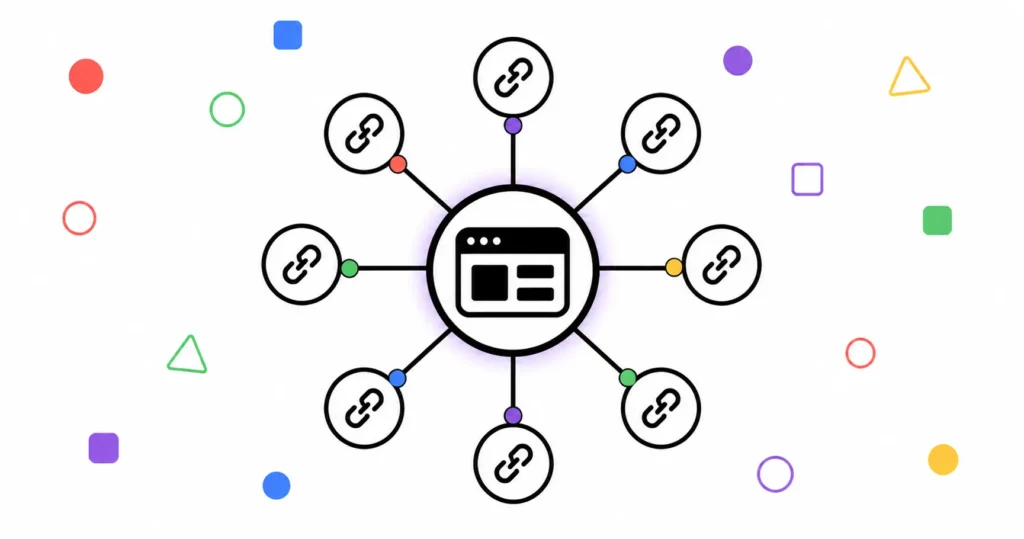
Every year, someone declares link building dead, and every year I watch the sites with genuinely strong backlink profiles keep outranking the ones without them. I’ve run enough campaigns now to know which link building strategies still move rankings and which ones are just busywork dressed up as SEO. Consider this the practical backlinks guide I wish someone had handed me years ago — what I actually do at Webvitals Marketing, backed by where the data currently stands, not recycled advice from five years ago.
What Is Link Building, and Why Hasn’t It Gone Away?
What is link building, in plain terms: it’s the process of earning hyperlinks from other websites that point back to pages on your own site. When a reputable site links to your content, Google reads that as a vote of confidence — a signal that your page contains something worth referencing. Despite years of predictions that links would stop mattering, Google has confirmed repeatedly that backlinks remain a top-three ranking factor, and that hasn’t meaningfully changed heading into 2026. What has changed is the quality bar for which links actually count.
Google’s 2024 Spam Updates specifically targeted manipulative patterns that used to work: scaled content abuse, where AI-generated content gets published purely to farm links; site reputation abuse, where reputable domains host low-quality third-party content in exchange for placement; and expired domain abuse, where old domains get repurposed as link farms. If your link building strategies still lean on any of these, they’re not just ineffective now — they’re actively risky.
How Does Link Building Help SEO, Specifically?
How does link building help SEO beyond the obvious ranking boost? A few ways I’ve seen matter more as search itself changes. Topical relevance carries real weight now — a link from a site covering related subject matter counts for meaningfully more than one from an unrelated domain, because Google’s systems have gotten much better at understanding why a link exists in context. Links also increasingly feed AI Overview citations, which now appear on a majority of searches — the same authority signals that earn a ranking also tend to earn a citation. And a natural, earned backlink profile is itself a trust signal independent of any single link’s individual value; a profile that looks manipulated can suppress rankings even if no single link violates guidelines outright.
The Link Building Strategies That Actually Work Right Now
I’ve stopped chasing volume entirely. Ten genuinely relevant, high-authority links per month consistently outperforms a hundred rushed placements — and it’s far safer. Here’s what I prioritize, in order of return:
- Original research and data-driven content. The single highest-ROI approach I’ve used. Publish something with real proprietary data — a survey, an analysis of a public dataset, industry benchmarks — and journalists and bloggers link to it because it’s genuinely citable, not because you asked.
- Digital PR. Related to the above, but framed as newsworthy content creation rather than outreach for its own sake. This is what earns links from publications a cold email never could.
- Broken link building. Find dead links on relevant, high-authority pages and offer your content as the replacement — useful to the site owner, useful to you.
- Resource page placements. Pages that already curate helpful links in your niche are some of the easiest legitimate placements to earn.
- Unlinked brand mention reclamation. If a site has already mentioned your brand without linking, that’s often a five-minute email away from becoming a real backlink.
Guest posting still works too, but only on legitimate, niche-relevant sites with real traffic and real readers — not the link-farm blogs that made guest posting a dirty word a few years back.
How I Actually Measure Whether Link Building Strategies Are Working
Placements alone don’t tell you much. I track four things for every client running active link building strategies: keyword ranking movement for target terms over time, referral traffic those links actually send (a link that never gets clicked is doing less work than it looks like), link velocity to catch unnatural spikes or drops early, and — the one people skip — whether any of it converts into leads or sales, not just traffic. In the first one to three months, I’m usually only expecting quick wins: local directories, industry associations, easy resource-page placements. The compounding results — the ones that actually shift rankings for competitive terms — tend to show up between months three and six, which is exactly why patience matters more than most people want to hear.
How to Get Backlinks Without Triggering a Penalty
The honest answer to how to get backlinks safely is patience plus relevance. Google’s Penguin system now runs in real time as part of the core algorithm, specifically hunting manipulative link patterns, and it evaluates your link profile as a whole rather than judging individual links in isolation. That means a handful of low-quality links usually won’t sink you — but a pattern of them will. I run a monthly review of every client’s backlink profile, checking for anchor-text over-optimization in particular, since unnatural anchor text patterns are one of the more common causes of ranking drops I see in audits. Anything that looks toxic gets disavowed before it becomes a problem rather than after.
Is SEO Without Link Building Actually Possible?
I get asked about seo without link building often enough that it deserves a straight answer: partially, yes, but with real limits. For low-competition, long-tail queries, strong on-page SEO and content depth alone can rank without much outside help. For anything genuinely competitive, though, backlinks remain one of the clearest ways to signal authority Google still weighs heavily — skipping link building strategies entirely usually means capping how high you can realistically rank, no matter how good the content is.
Where This Fits Into a Bigger Strategy
I don’t treat link building as a service sitting apart from everything else we do. It’s one layer of the same SEO Services work at Webvitals Marketing — sitting right alongside the AI-era version of authority building I’ve written about before, including how platforms like Reddit and Quora now function as earned-mention and citation channels in their own right, not just traditional backlink sources. The line between classic link building and AI visibility work keeps blurring, which is exactly why our AI SEO services treat citation-building as an extension of this discipline, not a separate one.
Where I’d Start
Audit what you already have before chasing anything new — a monthly export from Ahrefs or Semrush against last month’s profile tells you more than another outreach template. Pick one high-ROI tactic from the list above and commit to it consistently for a full quarter before judging results; good link building strategies typically take three to six months to show real ranking movement, and abandoning a working strategy after three weeks is the most common mistake I see.
If you want a clear read on where your current backlink profile actually stands, get in touch and I’ll walk you through what I’m seeing.
Frequently Asked Questions
What is link building?
Link building is the process of earning hyperlinks from other websites that point back to pages on your own site. Search engines treat these links as votes of confidence, using them to help determine how authoritative and trustworthy a page is.
How do I get backlinks?
The most reliable current approaches are original research and data-driven content, digital PR, broken link building, resource page placements, and reclaiming unlinked brand mentions. Consistency and relevance matter more than volume or speed.
How does link building help SEO?
Backlinks remain a top-three Google ranking factor, and links from topically relevant, authoritative sites carry the most weight. They also increasingly feed citations inside AI Overviews, making link building relevant to both traditional rankings and AI search visibility.
Can you do SEO without link building?
Partially. Strong on-page SEO and content depth can rank for low-competition, long-tail queries without much outside help, but backlinks remain one of the clearest authority signals for competitive terms, so skipping link building entirely usually limits how high a site can realistically rank.
How many backlinks do I need to rank?
There’s no fixed number, since quality and relevance matter far more than quantity. A handful of high-authority, topically relevant links typically outperforms dozens of low-quality ones, and building roughly five to fifteen strong links per month is a reasonable pace for most growing sites.
Sources
- W3era, “Link Building Guide 2026: Strategies, Tips & Best Practices” — ranking factor data and monthly link-velocity benchmarks
- ALM Corp, “The Definitive Guide to Link Building in 2026” — digital PR ROI and AI Overview citation link
- Futuristic Marketing Services, “Link Building Strategies That Actually Work in 2026” — Google’s 2024 Spam Update details
- Ingenious Hitech, “Link Building in 2026: What Actually Works for SEO Rankings” — quality-over-quantity and editorial link signals
- OptiSEOn, “Link Building in 2026: What Still Works” — original research as highest-ROI tactic